
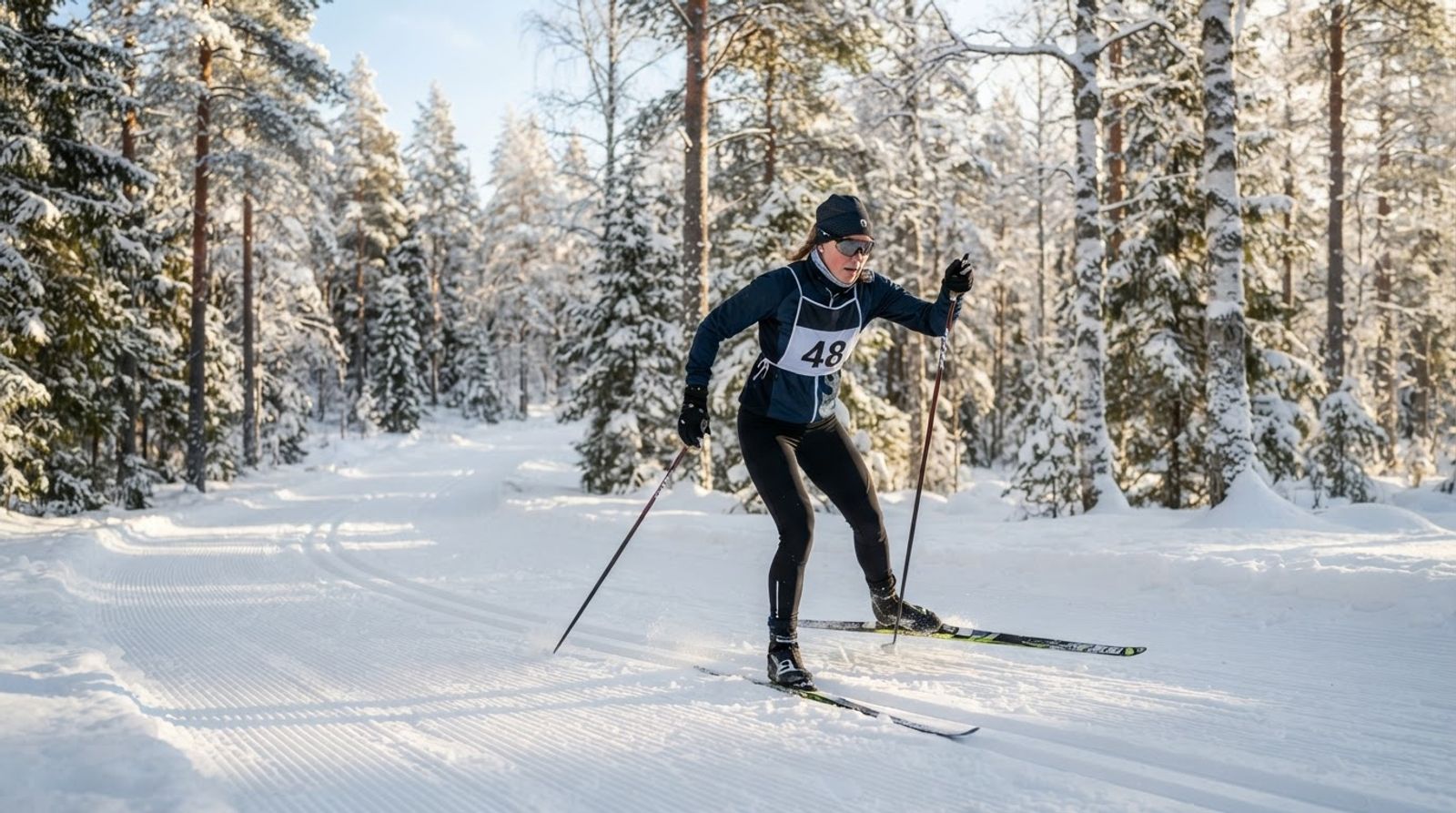
Discipline
Cross-country ski training: a training plan by season
Where to start
Cross-country ski training changes with the seasons: summer builds general endurance and strength, autumn gradually adds specific work, and winter transfers it onto snow. Keep most work easy and retain technique practice and recovery throughout the year. Below is an autumn week to adapt to your experience, weather and available facilities.
1trAIner is an AI coach that builds a seasonal ski plan, combines skiing with running and strength work, and adjusts each week using completed sessions and your messages.
Seasonal periodisation
Summer — general base
Easy running, roller skiing if you have the skills, ski imitation drills and strength work. Build volume gradually and learn technique while fresh.
Autumn — gradual build and specific strength
Restore consistency after breaks, then increase easy volume. Roller skiing, imitation drills and specific strength prepare you for snow; do not increase difficulty and duration together.
Winter — snow, technique and races
Use the first snow sessions for balance and glide. Restore volume gradually; count races as demanding work and allow recovery afterwards.
Autumn training week structure
- Roller skiing or imitation drills: practise technique early in the session while movement is precise.
- Easy running: conversational effort on familiar terrain.
- Strength: legs, trunk and pulling movements; stop before form deteriorates.
- Long easy session: run-walk or roller skiing according to your skills and conditions.
- Rest: keep days off and lighten the week if fatigue accumulates.
Sample autumn weekly plan
Numbers are guidelines, not mandatory targets. Start with a manageable workload and increase one variable at a time. Do not push through pain; reduce the load.
| Day | Focus | Key session | Load |
|---|---|---|---|
| Monday | Recovery | Rest, optional walk | No training target |
| Tuesday | Technique | Roller skiing or imitation drills on familiar ground | Easy, stop before coordination declines |
| Wednesday | General endurance | Easy running or run-walk | Familiar, manageable duration |
| Thursday | Strength | Squats, pulls and trunk exercises suited to your experience | Leave effort in reserve, no failure |
| Friday | Rest | Day off | Do not make up missed work |
| Saturday | Long session | Roller skiing or run-walk | Easy, within a duration you already manage |
| Sunday | Recovery and weekly review | Rest; assess fatigue before the next week | Lighten the next week if tired |
How AI adapts your plan
The AI coach uses connected-watch data on duration, distance, heart rate and completed workload. Report snow conditions, roller-ski track access, how you feel and technique issues to help replace sessions and redistribute the week without cramming in missed work.
Classic and skate skiing
Choose your goal
Frequently asked questions
How should a cross-country skier train in summer?
Combine easy endurance, strength and technique: running, roller skiing if skilled, and imitation drills. Increase volume gradually and keep rest days.
How should autumn ski training be structured?
Restore consistency first, then add specific strength and roller skiing or imitation work. Make the first snow sessions easier than autumn sessions to adapt to the new surface.
What session suits a beginner skier?
A short easy session on simple terrain with balance, braking and glide drills. End technique work early if coordination deteriorates.
How do I prepare for a ski marathon?
Build a consistent base, gradually lengthen easy sessions and practise technique and fuelling. Account for the course and race style, and reduce accumulated fatigue before the start.
How do I adapt a ski training plan to my schedule?
Keep a manageable frequency and recovery between demanding days. When time is short, reduce volume rather than moving the whole week onto the weekend.
-
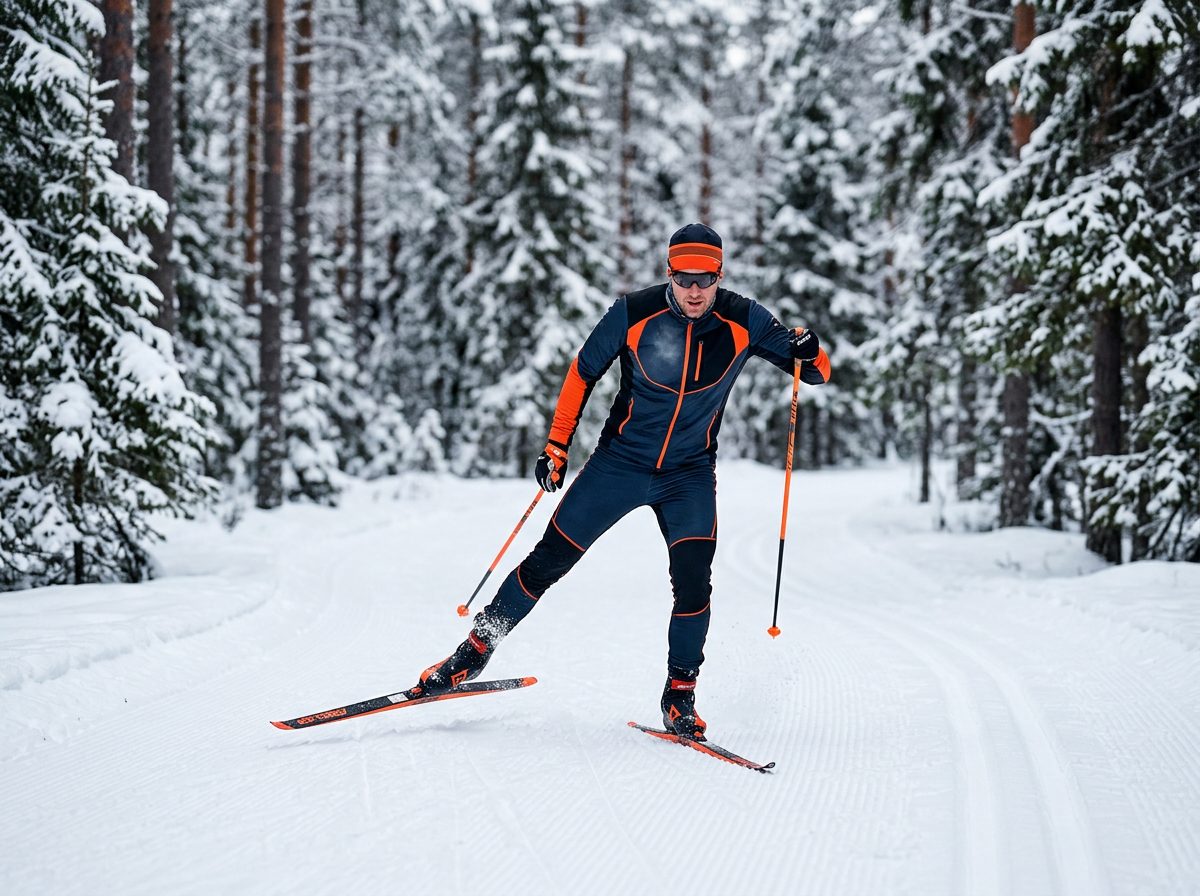
Cross-country skiing: regular workouts for 12 weeks
The ski season starts in summer — a year-round plan with cross-training runs, roller skiing and snow.
Open the plan → -
Complete a marathon distance (42.2 km) in 20 weeks of preparation
Fifty kilometres on skis: training volume, fuelling on the course and getting your equipment ready.
Open the plan → -
Skate skiing: 12 weeks of preparation
Skate skiing takes core strength and technique — that's what we work on.
Open the plan → -
Classic cross-country skiing: 12 weeks of training
Classic technique forgives fewer mistakes in form, but it develops endurance really well.
Open the plan → -
First cross-country skiing season: 12 weeks of preparation
Start cross-country skiing as an adult and enjoy it this winter.
Open the plan → -
Roller skiing and summer training: a 12-week programme
The base you build in summer shapes your skiing in February.
Open the plan →
In the blog

From reading to workouts