
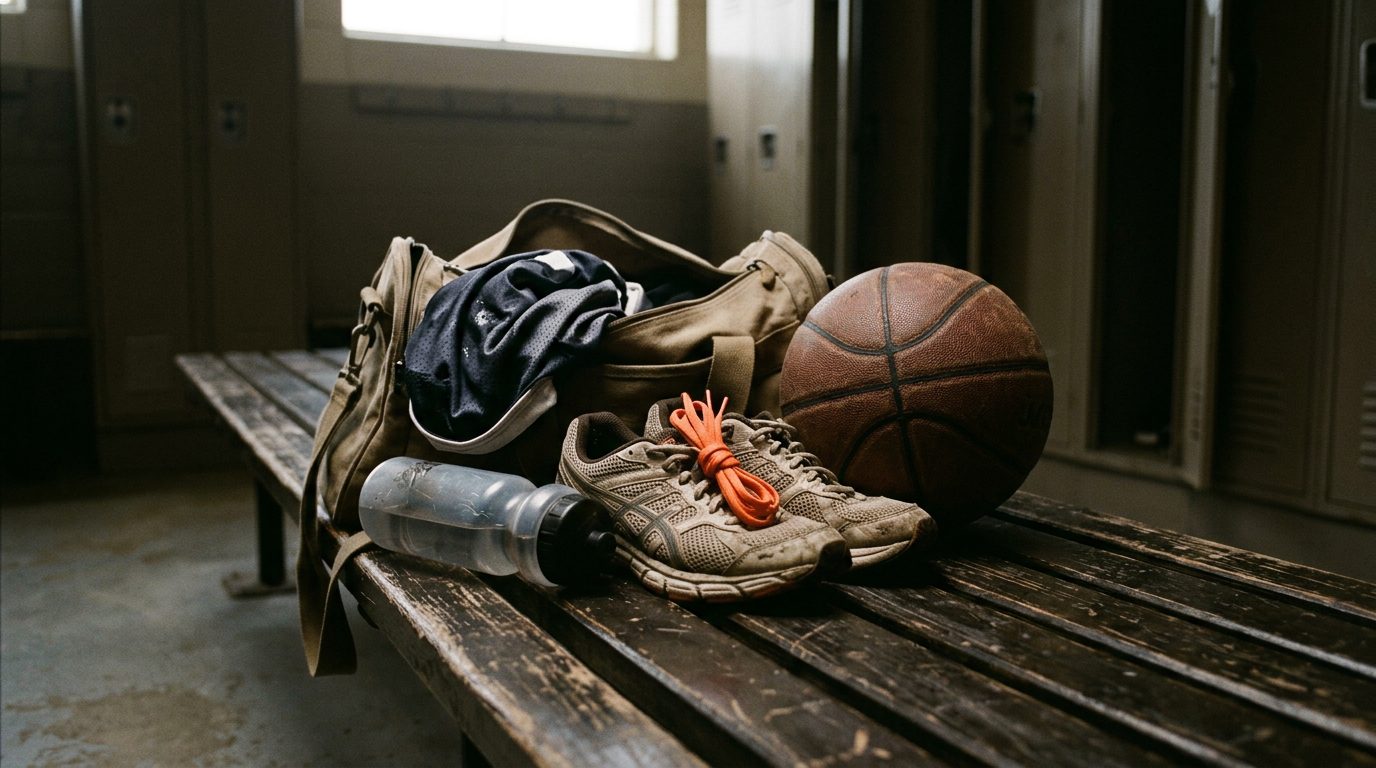
Strength training
Strength training for runners: exercises and an 8-week plan
Barbell training can help you run faster — when done correctly and without compromising your main workouts.
Getting started with strength training for runners
Strength training for runners can start with a guideline of two 30–45-minute sessions a week for legs and glutes, core and feet. It helps maintain technique under fatigue; schedule it around key runs.
1trAIner is an AI coach that aligns strength work with your running plan, equipment and recovery, then adjusts load using your reports.
- Training timeframe
- 8 weeks
- Price
- 450 ₽ per month or 4999 ₽ per year
Said it out loud
And it's in progress
The first 7 days are free, no card needed. No automatic charges: you renew your subscription manually.
The goal over 8 weeks is to fit strength work into your endurance training while leaving you with energy for your main workouts. This means accounting for running volume, hard training days and fatigue after resistance exercises. Strength training complements running, but does not replace it or guarantee a faster pace on its own.
The coach selects exercises and a schedule for your level, running plan, and available days. Data from your Garmin or Apple Watch syncs automatically, and you add information about strength work and how you feel. After each workout, the plan is recalculated to account for total load rather than treating the gym separately from running.
In the first weeks, the focus is on understanding how you handle running and strength training together. The load is then adjusted based on your response to training: if fatigue builds up, it should be reduced rather than increased just because the schedule says so. Progress is assessed by movement control, how well you tolerate strength work and how well you recover before key running sessions.
What to train
Legs and glutes
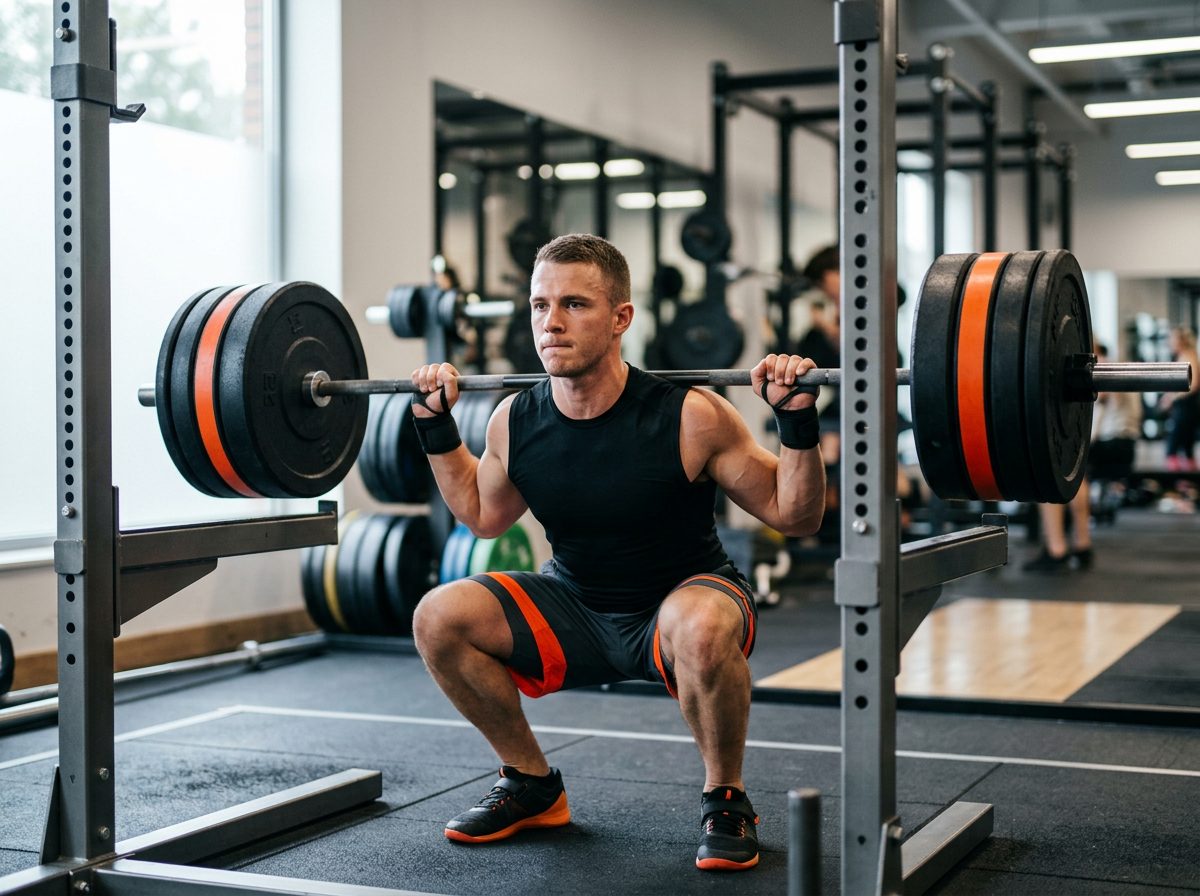
Squats, lunges, Romanian deadlifts and step-ups. Choose suitable variations and learn the movement before adding weight; you need not do every exercise in one session.
Core
Planks, side planks and dead bugs develop control of body position. End the set when technique breaks down.
Feet and calves
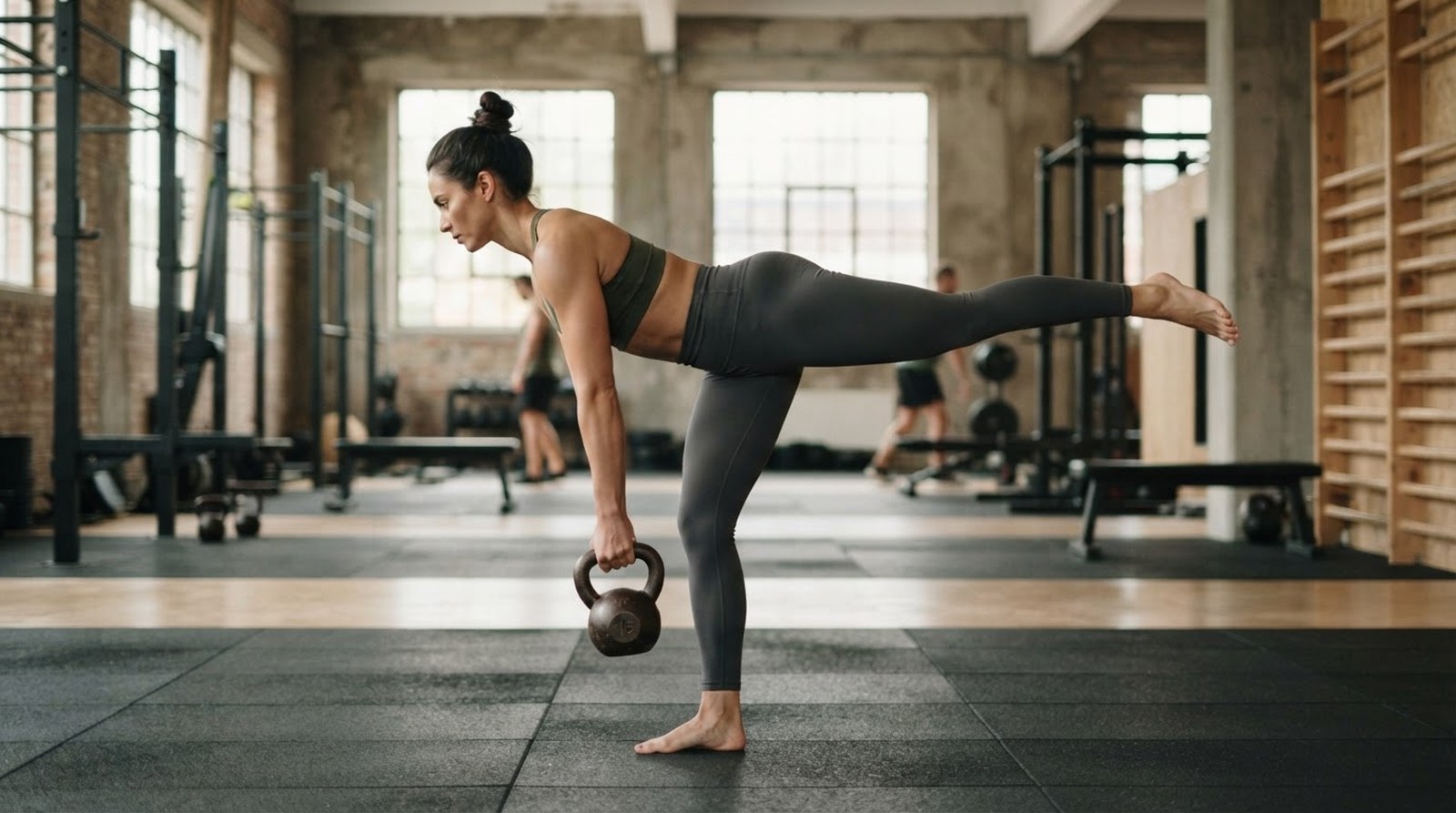
Calf raises with straight and bent knees, progressing to supported single-leg raises when ready. Increase load gradually.
Plyometrics after a base
Add low hops only when ready after mastering basic movements. Remove jumps and reduce load when fatigued or in pain.
How to combine strength and running
- Aim for two strength sessions on an easy-run day or after a quality run if you can maintain technique. Group demanding work so easy days stay easy.
- Avoid heavy strength work the day before a long run or key session. If your legs have not recovered, cut sets or move the session.
- In the 7–10 days before a race, use a maintenance volume of familiar exercises without new stimuli or substantial fatigue.
- Keep one full rest day each week. Avoid increasing running volume and strength load sharply at the same time.
8-week plan
Numbers are guidelines for two weekly sessions. Choose manageable variations and leave 2–3 reps in reserve. Hold planks for 15–30 seconds instead of counting reps. Do not push through pain; reduce load.
| Week | Focus | Exercises | Sets and reps |
|---|---|---|---|
| 1 | Learn movements | Squat, glute bridge, dead bug, calf raise | 1–2 × 8, controlled |
| 2 | Consistency | Reverse lunge, hip hinge, side plank, calf raise | 2 × 8, plank 15–30 s |
| 3 | Manageable resistance | Goblet squat, Romanian deadlift, dead bug | 2 × 8–10 |
| 4 | Deload | Familiar movements with fewer sets; calf raises | 1–2 × 8 |
| 5 | Single-leg work | Step-ups, lunge, supported single-leg calf raise | 2 × 8 per side |
| 6 | Progress when ready | Squat, Romanian deadlift, side plank; a few low hops when ready | 2–3 × 6–8; hops 2 × 5 |
| 7 | Coordinate with running | Step-ups, deadlift, plank, calf raise | 2 × 6–8, short of failure |
| 8 | Consolidate and review | Familiar movements; compare technique and recovery | 1–2 × 6–8, lighter |
How the AI coach helps
The AI coach schedules strength work around key runs. It sees running data from your watch and your strength reports: exercises, weights, sets and perceived effort. It reduces load with fatigue or pain; do not push through pain, reduce training and tell the coach.
See how 1trAIner works
What you get during 7 days of free access
- In the first 7 free days, you fill out a questionnaire: your running goal, current loads, strength experience, and schedule.
- You get the first week of the plan with strength sessions coordinated with running workouts and rest.
- You report how the sessions and recovery went; the coach reviews the workouts and adjusts the upcoming load.
How it works
-
1
You tell us about yourself
Share your level, how many days a week you can train, and your race date or target date. It takes five minutes in the chat or by filling out a questionnaire.
-
2
You get a plan
The coach designs a training cycle leading up to your goal and lays out each week day by day: what to do, at what pace, and the purpose of each workout.
-
3
The plan follows you
Workouts from your watch sync automatically, and you get feedback in the chat. Miss a session or get sick? Your weekly plan is adjusted.
Frequently asked questions
How often should runners do strength training?
A guideline is twice a week for 30–45 minutes. Reduce strength volume during high running loads or before a race according to recovery.
Which strength exercises do runners need?
Choose squats, lunges, deadlifts and step-ups for legs, planks and dead bugs for the core, and calf raises for calves and feet. Variations depend on experience.
Can runners do strength training at home?
Yes. Start with bodyweight, a stable support and dumbbells if available. Adjust sets and exercise variations; account for equipment limits in the plan.
Strength before or after running?
Usually do the key run first, then strength if technique remains controlled, or use a separate time slot. Avoid tiring your legs before an important run.
Is strength training useful in marathon preparation?
It complements running and helps maintain movement control under fatigue. As long runs grow, keep manageable maintenance work rather than making up missed sessions.
Do I need a sports watch?
No. You can start without one: the plan is based on your goal, level, and available time. With a Garmin or Apple Watch, the plan can be tailored more precisely — the coach can see your heart rate, sleep, and actual weekly training volume.
What happens after the free week?
The subscription costs 450 ₽ per month or 4999 ₽ per year. There are no automatic charges: your card details are not stored, and you renew manually using the link in the reminder.
Is the coach a person or a program?
1trAIner is an informational service: plans and reviews are prepared by AI based on your data. This is not a medical service and not a substitute for a doctor or an in-person coach.
What if my goal changes?
Let the coach know in the chat. Your plan is currently built around “Strength training for endurance: 8 weeks of training”, but race dates can change, injuries happen, and vacations come up. The coach will adjust your training cycle to fit your new circumstances.
In the blog

The first 7 days are free, no card needed. No automatic charges: you renew your subscription manually.
Subscription terms are on the plans page and in the public offer. The service provides informational services and does not replace a doctor or an in-person coach.