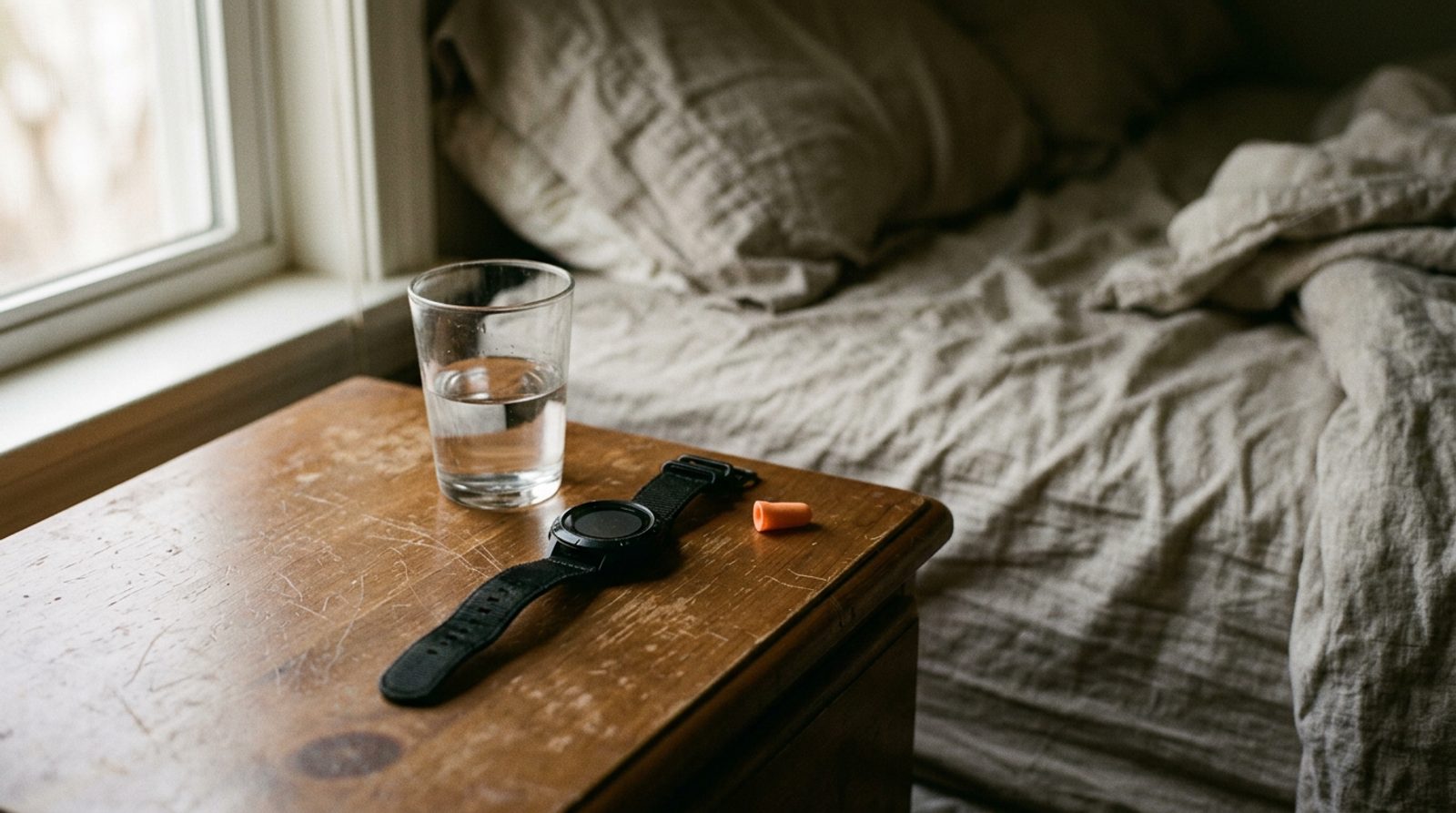
Modern Garmin watches output so many metrics that it's easy to drown: HRV, Body Battery, training readiness, acute training load, sleep score, training status. The problem is that the numbers alone don't decide anything — what matters is their dynamics and combination.

What each metric means
Heart rate variability (HRV)
This is the variation in intervals between heartbeats, measured at night. High variability usually means the parasympathetic system is working normally and the body has recovered. Comparing the absolute value with someone else's is pointless: one person's norm is 40 ms, another's is 90. Only your own baseline, which the watch builds over 2–3 weeks, is meaningful.
Resting heart rate
The simplest and yet one of the most reliable metrics. A sustained increase of 5–10 beats above your usual level is a sign of under-recovery, an oncoming illness, or strong stress.
Body Battery
An integrated "energy reserve" score from 5 to 100, based on HRV, activity, and stress. It's more practical to look not at the absolute number but at two things: how high the battery charges overnight (normal is above 70) and how quickly it drains during the day.
Training readiness
A composite metric that combines sleep, HRV, recent training load, and recovery time. It's a hint, not a verdict: a readiness of 45 doesn't mean "you can't train," it means "today isn't the best day for intervals."
Acute and chronic training load
Acute training load is the sum of load over the last few days, chronic training load is over a month to a month and a half. Their ratio shows how sharply you've ramped up. A 50% jump in acute training load in a week is a classic path to injury.
How to read this together
- HRV is normal, Body Battery charged above 75, readiness 70+. A great day for quality work.
- HRV dropped 15–20% from baseline, resting heart rate up by 5. An easy run day instead of intervals.
- Second or third day in a row of low HRV and readiness. Full rest. Pushing through is a direct path to a hole.
- Everything's fine, but you slept 4 hours. Go by sleep: one night hasn't shown up in HRV yet, but it will affect workout quality.
What these numbers can't do
The watch doesn't know that you defended a project in front of a client yesterday, that your wisdom tooth is coming in, or that you had two glasses of wine. It only sees the consequences. So metrics are an entry point for a conversation with yourself, not a replacement for how you feel. If the data says "ready" but you feel wrecked, the person is usually right.
Another nuance: daily summaries arrive in the app with a delay. Morning readiness appears after the watch syncs, and if you check the numbers before that, you'll see yesterday's.
How the AI coach uses this
All these metrics make sense when someone compares them with the plan every day. In 1trAIner, Garmin data — HRV, resting heart rate, sleep, Body Battery, training readiness, acute training load, VO2max and race predictions — go straight into the coach's context. It sees them together with your daily plan and your history: when readiness is low, it will suggest reducing intensity; when it's consistently high, it will add quality work; and to the question "why only 40 minutes of easy running today" it will answer in Telegram with specific numbers. If you've just synced your watch, you can ask it to double-check the data — the coach will pull a fresh summary. First 7 days free.
This material is for informational purposes and does not replace a doctor's consultation. Recovery metrics are not medical indicators; if you feel unwell or have chronic conditions, consult a specialist.