A typical picture: a person runs four times a week for 40 minutes, always at roughly the same heart rate — around 160. Six months later, results are stuck and fatigue is piling up. The reason is that such workouts are too fast to recover from and too slow to build speed. In sports science, this is called the "gray zone."

The five zones in simple terms
- Zone 1 (50–60% of maximum). Recovery jog. Breathing is completely easy.
- Zone 2 (60–70%). Aerobic base. You can comfortably talk in full sentences. Most of your volume happens here.
- Zone 3 (70–80%). That very "gray zone": already hard, but not yet productive. Not forbidden, but don't overdo it.
- Zone 4 (80–90%). Threshold. Tempo running, work at lactate threshold. You can only speak in fragments.
- Zone 5 (90–100%). Maximum oxygen uptake. Short intervals, talking is impossible.
What happens in zone 2
Slow running seems pointless, but it's exactly what rebuilds the body for long distances: the number of mitochondria in muscle fibers grows, capillary density increases, the heart learns to pump more blood per beat, and muscles use fat as fuel more efficiently. All of this happens only during prolonged low-intensity work, and it's the foundation on which intervals later build.
The 80/20 model
Studies of training diaries of elite runners, skiers, and triathletes show a consistent picture: about 80% of the time they train easy and about 20% hard. There's almost no middle. This scheme suits amateurs even better, because they have less time to recover.
In practice, with four workouts a week, this means: three easy runs in zone 2 and one quality session — tempo or intervals. With five to six workouts, there are two quality sessions.
How to find your zones without a lab
The formula "220 minus age" is inaccurate: individual variation reaches 20 beats. It's more practical to start from your anaerobic threshold heart rate. A simple field test: after a warm-up, run for 30 minutes at the most even pace you can hold (as in a race). The average heart rate over the last 20 minutes is a good estimate of your threshold.
Then zones are calculated from it: zone 2 is roughly 75–85% of threshold heart rate, zone 4 is 95–105%. Re-test every 2–3 months: as fitness improves, thresholds shift.
Three things that skew the readings
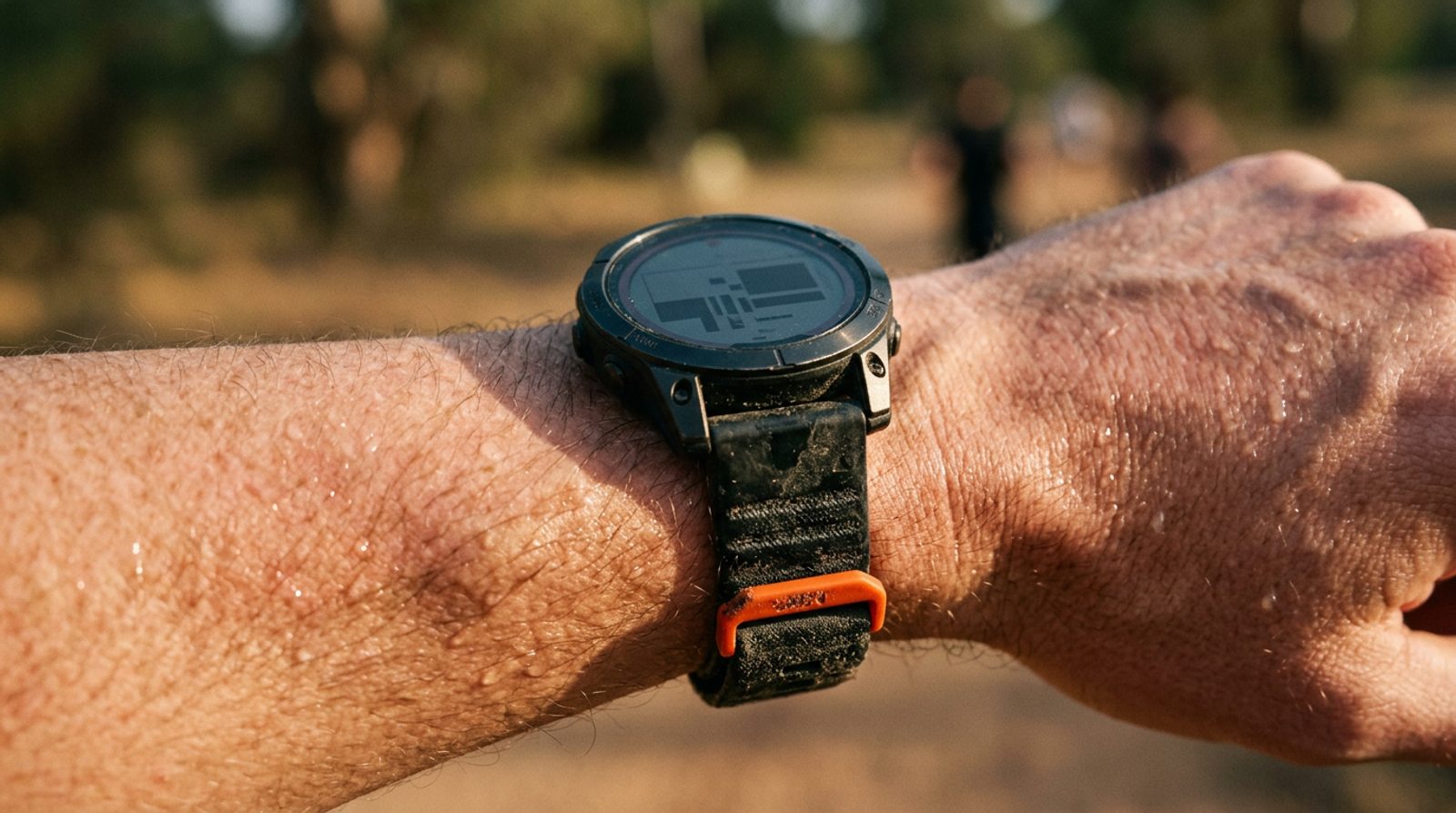
- Cardiac drift. On a long run in the heat, heart rate rises by 5–10 beats at the same pace. This is normal and not a reason to speed up.
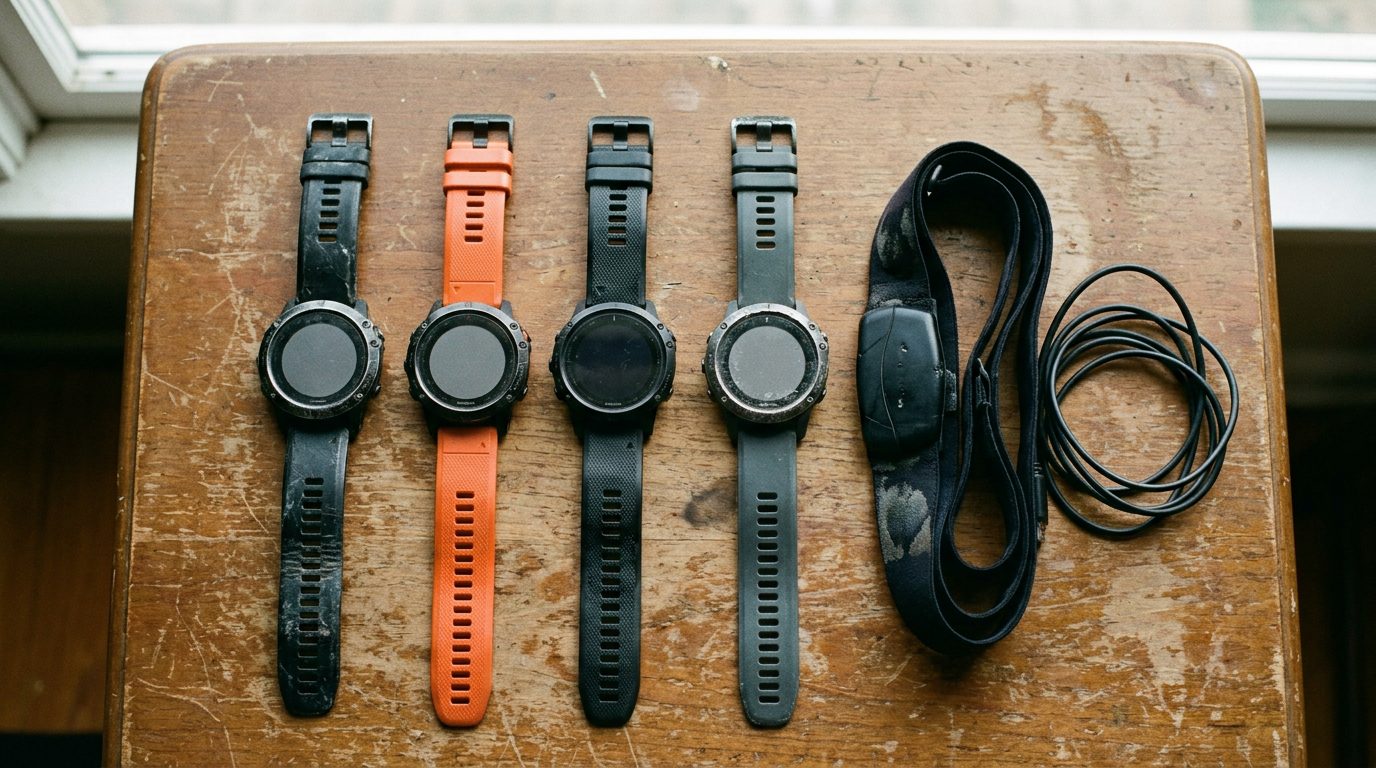
- Wrist optical sensor. During intervals it often "sticks" or doubles the rate. For accurate work you need a chest strap.
- Coffee, lack of sleep, stress, illness. Resting heart rate 7–10 beats above usual is a signal that it's better to postpone quality work.
The hardest part is running slowly
In the first weeks, zone 2 feels humiliating: you have to switch to walking on inclines, and your pace is a minute to a minute and a half slower than usual. This passes in 4–8 weeks — the same heart rate starts to correspond to a noticeably higher speed. That shift is exactly what fitness growth looks like.
Calculating zones, monitoring cardiac drift, and laying out the week according to the 80/20 rule is easier when it's not a person with a calculator doing it. 1trAIner pulls data from Garmin — heart rate zones for each workout, resting heart rate, HRV — and decides on its own what kind of day today is: a quality day or a recovery day. If you slept five hours yesterday, intervals won't appear in the plan. You can try it free for 7 days.
This material is for informational purposes and does not replace a doctor's consultation. If you have health problems, pain, or chronic conditions, consult a specialist before starting training.