Sprint distance triathlon is the most sensible entry into multisport. The distances are short, the race takes 1–1.5 hours, and the demands on your swimming technique are more modest than they look from the outside. Twelve weeks is enough if you can already stay afloat and turn the pedals.
What you need to be able to do before you start training
- swim 200 metres of front crawl without stopping (even if slowly);
- ride 20 km on a bike at an easy pace;
- run 3–5 km.
If swimming is your weakest link by far, that's normal — it is for most beginners. It's exactly what deserves the most attention in the first weeks.
What a week looks like
Six workouts: two for each discipline. Total volume is around 5–6 hours.
- Mon — 45 minutes of swimming, technique.
- Tue — 40 minutes of easy running.
- Wed — 60 minutes of cycling with intervals.
- Thu — 45 minutes of swimming, endurance sets.
- Fri — 30 minutes of strength training or rest.
- Sat — 90 minutes of cycling, immediately followed by a 15-minute run (brick).
- Sun — a 50–60 minute long run.
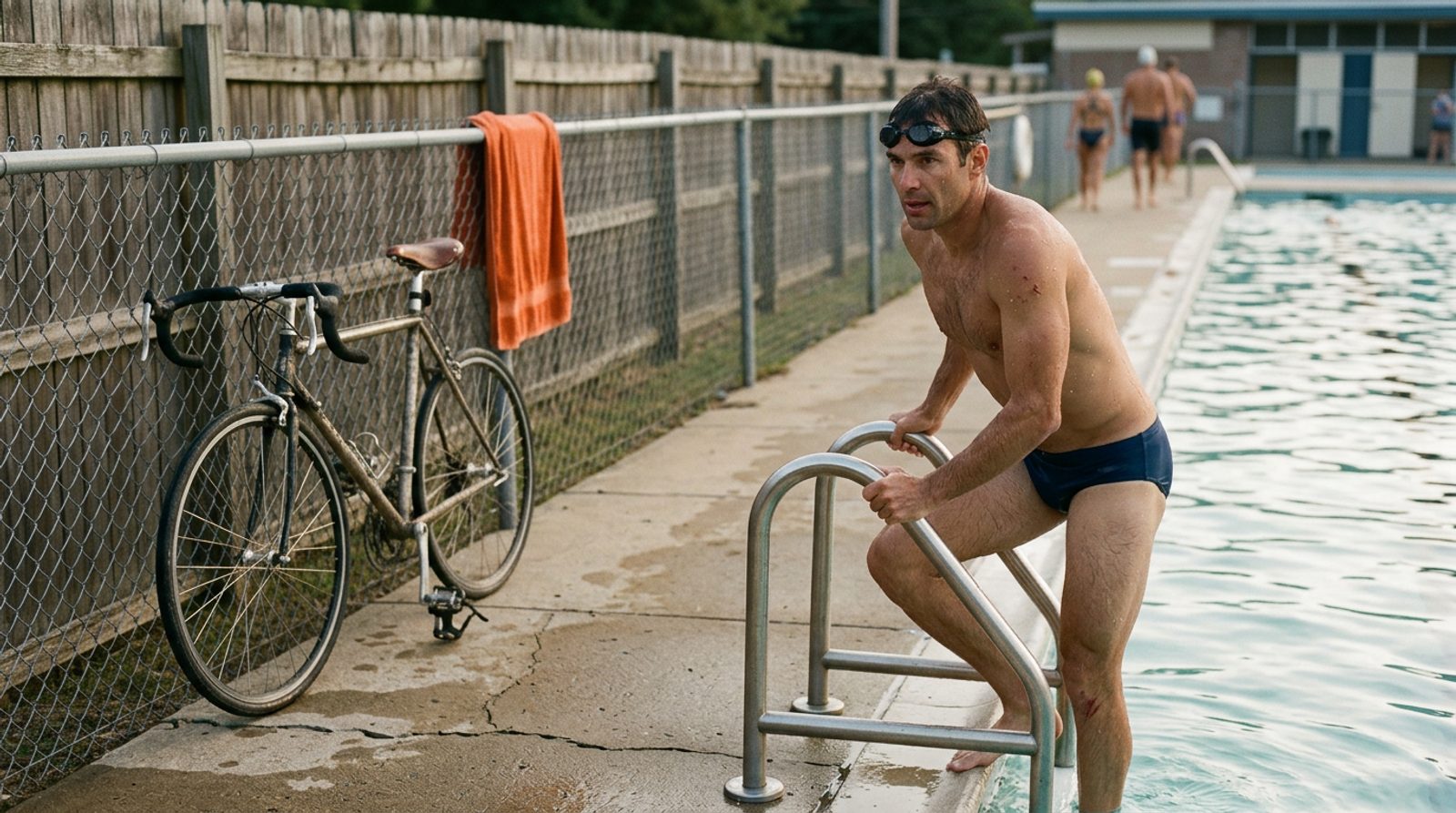
Swimming: technique matters more than strength
Over 750 metres, the difference between an economical stroke and a choppy one is 3–5 minutes. Work on your body position, a long pull and breathing to both sides. Useful sets: 10×50 metres with a 20-second rest, 4×100 at an even pace, balance drills with a kickboard and pull buoy. Twice a week is the minimum, three is better.
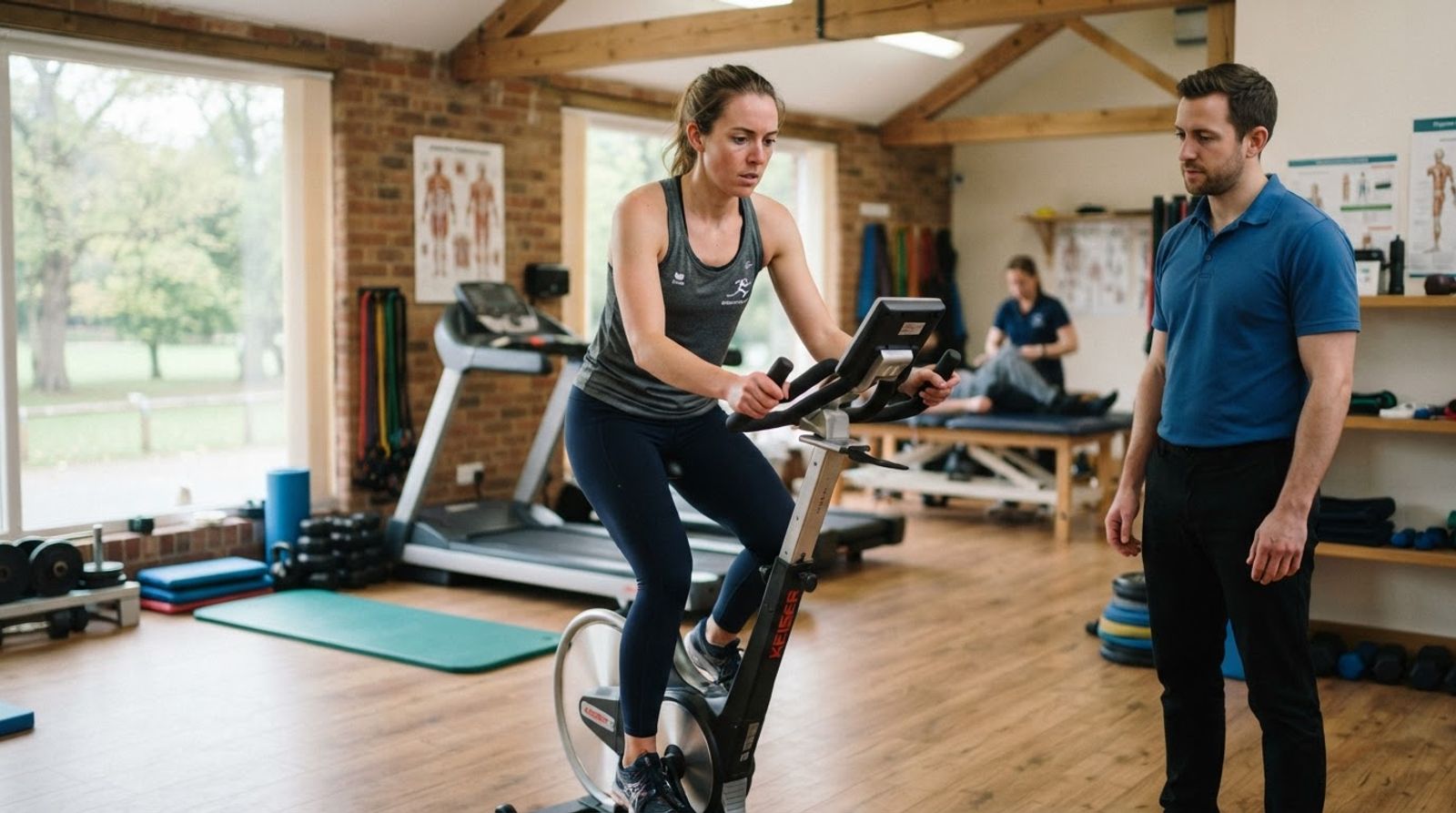
Cycling: learn to ride steady
In a sprint, it's not power that wins, but the ability not to "fire off" in the first five kilometres. Add intervals once a week: 5×3 minutes at a pace slightly above race pace with 3 minutes recovery. Be sure to work on your position — over 20 km your back gets noticeably tired.
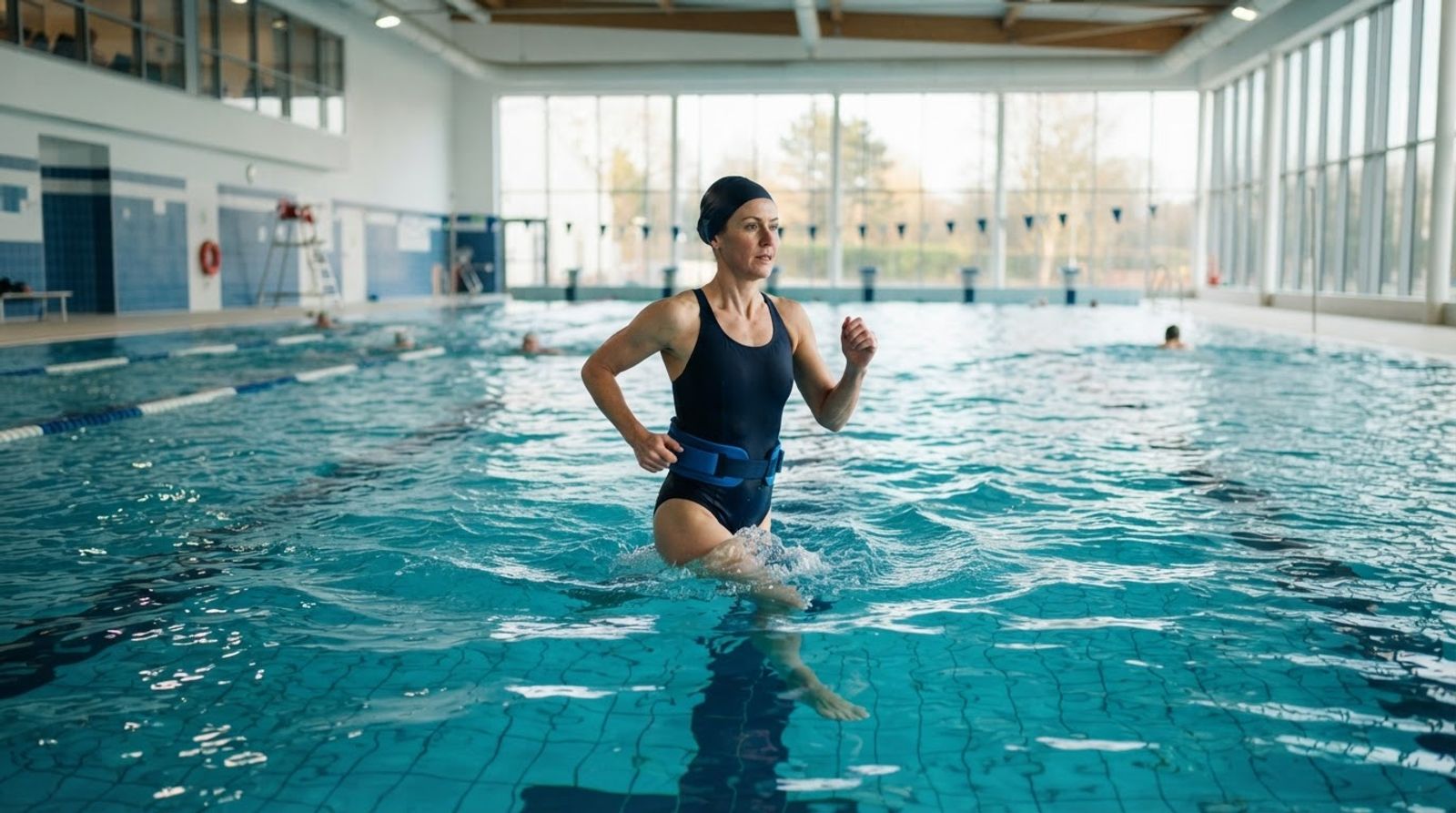
Running after cycling is a separate skill
The first 800 metres after transition your legs feel like wood: blood is still in other muscles. The only cure is brick sessions: right after a cycling workout you put on your running shoes and run for 10–20 minutes. Two bricks a month is not enough, do them weekly — by race day the feeling will become familiar.
Open water
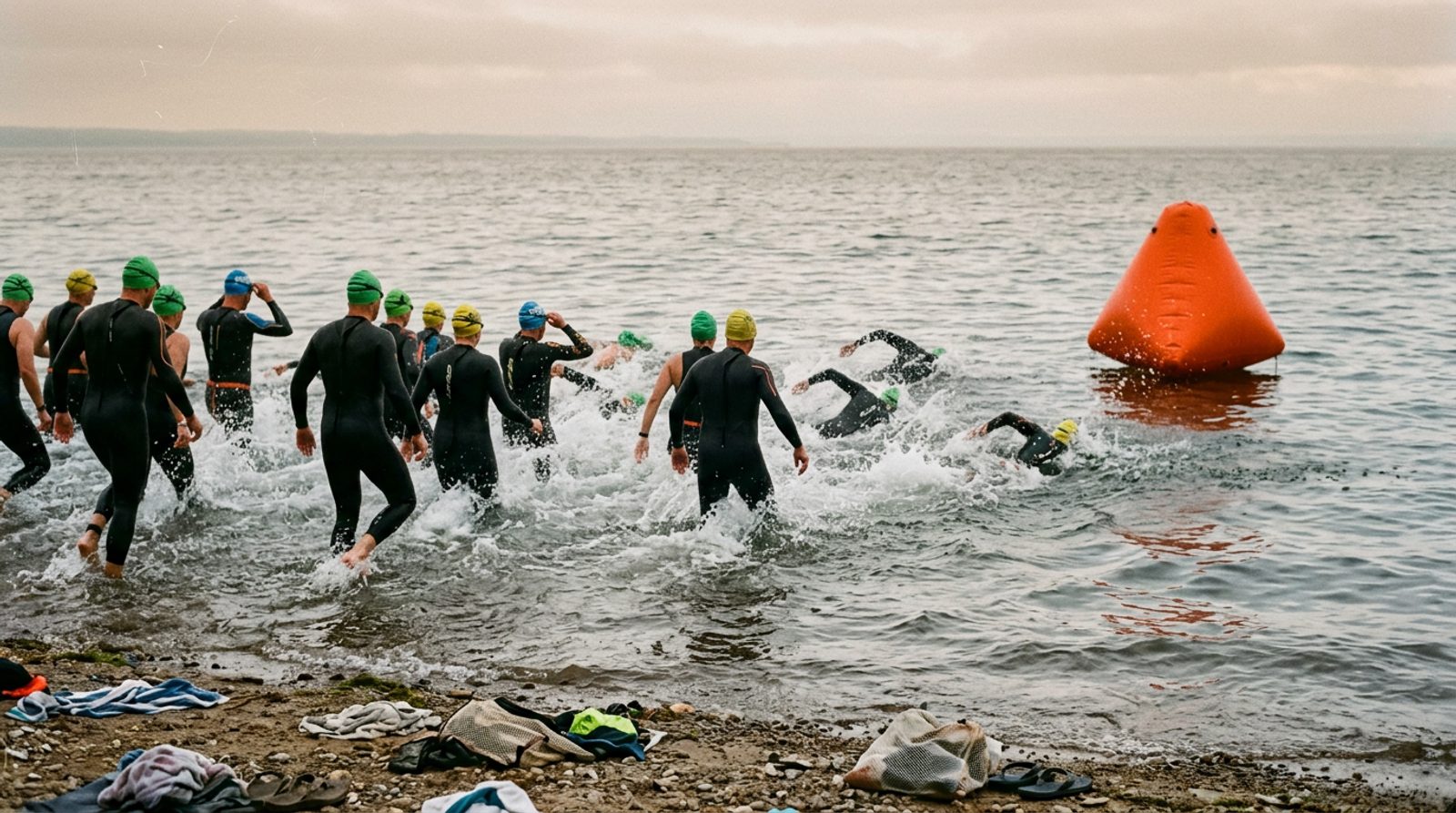
A pool and a lake are different sports. In open water there is no wall or lane markings, the water is colder, and there are people around. 4–6 weeks before the race, do at least three open-water workouts:
- learn to navigate: lift your head every 6–8 strokes, look at the buoy;
- try a wetsuit if it's allowed and the water is cold — your body position is different in it;
- practise a beach start and the first 100 metres in a crowd where you'll be bumped.
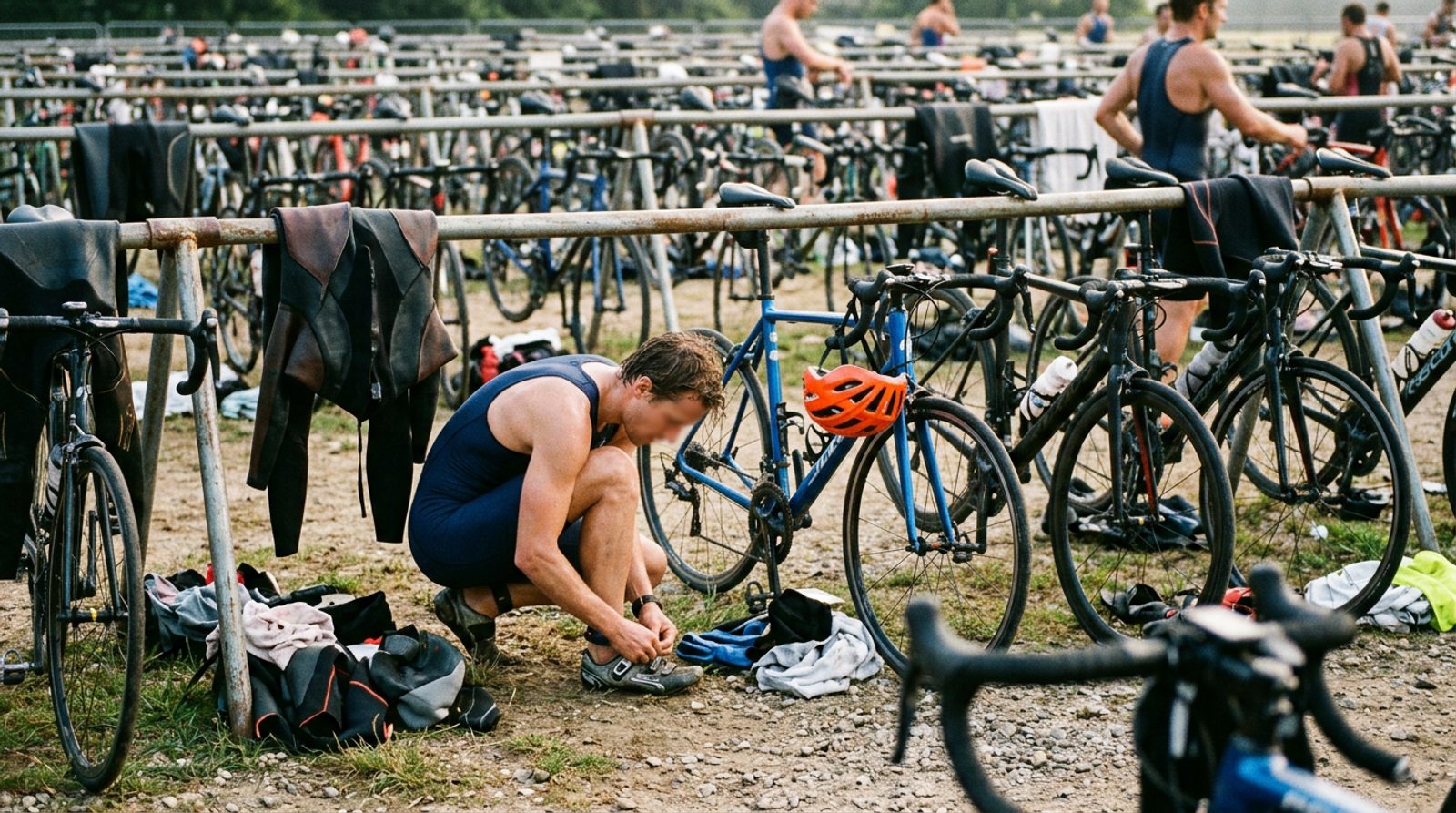
Transition zones: free minutes
Beginners lose 3–4 minutes in transitions, experienced athletes get through them in 60–90 seconds. Lay out your things in one order, practise the transition at home: take off the wetsuit, put on the helmet (always before you take the bike), attach the number. Shoes without laces and elastic laces save another half a minute.
The final week
Volume minus half, but each discipline is present with short workouts. The day before the race — 15 minutes of swimming, 20 minutes of cycling, 10 minutes of running, all at an easy pace. Check the bike in advance: brakes, tyre pressure, derailleurs working.
Combining three disciplines, not overloading and not abandoning the weakest one is the main challenge of the first season. 1trAIner distributes the load between swimming, cycling and running taking into account your weak spots and recovery data from Garmin, and the weekly plan is always in Telegram and changes if something goes wrong. The first 7 days are free.
This material is for informational purposes only and does not replace consultation with a doctor. If you have health problems, pain, or chronic conditions, consult a specialist before starting training.