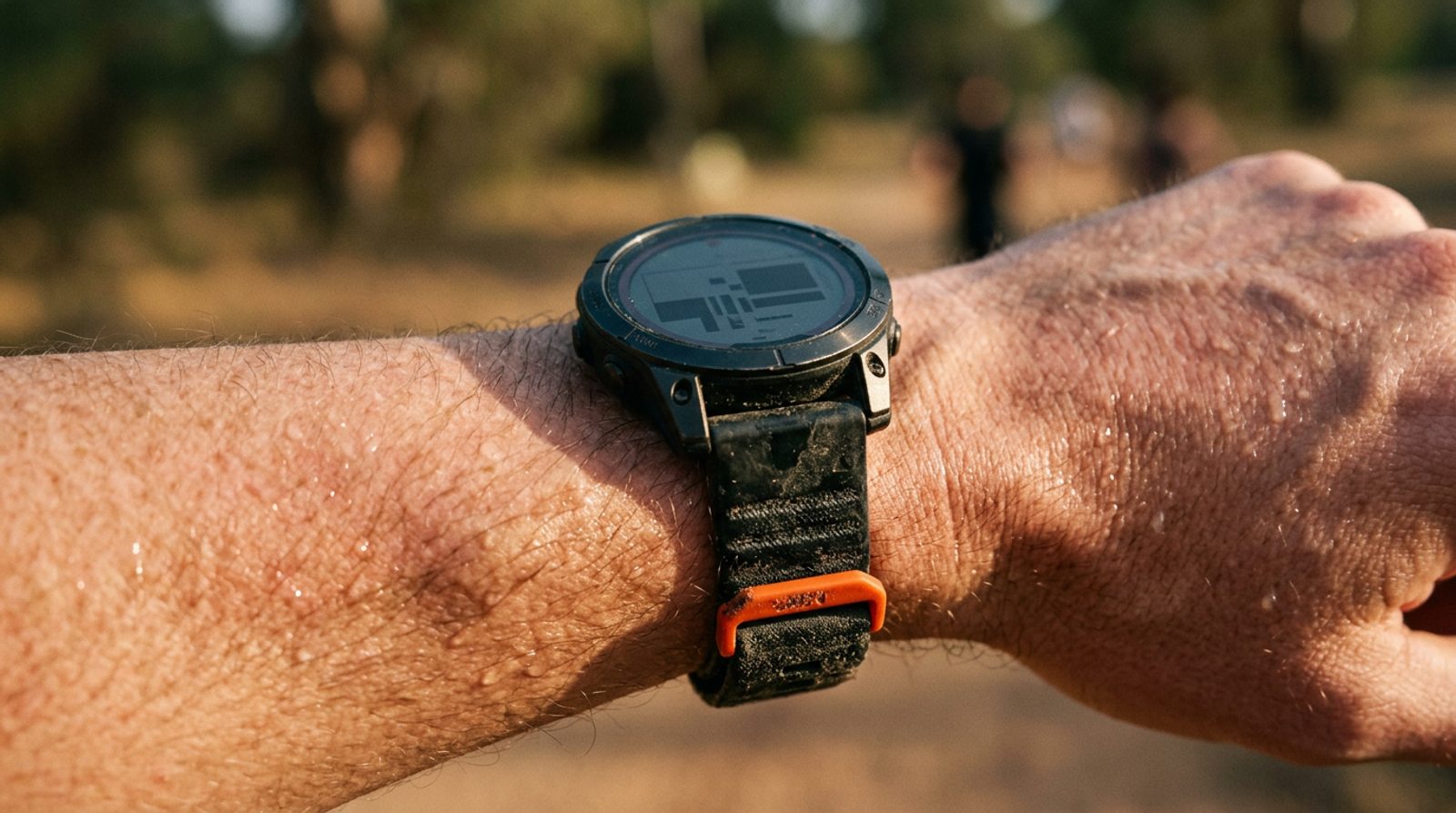
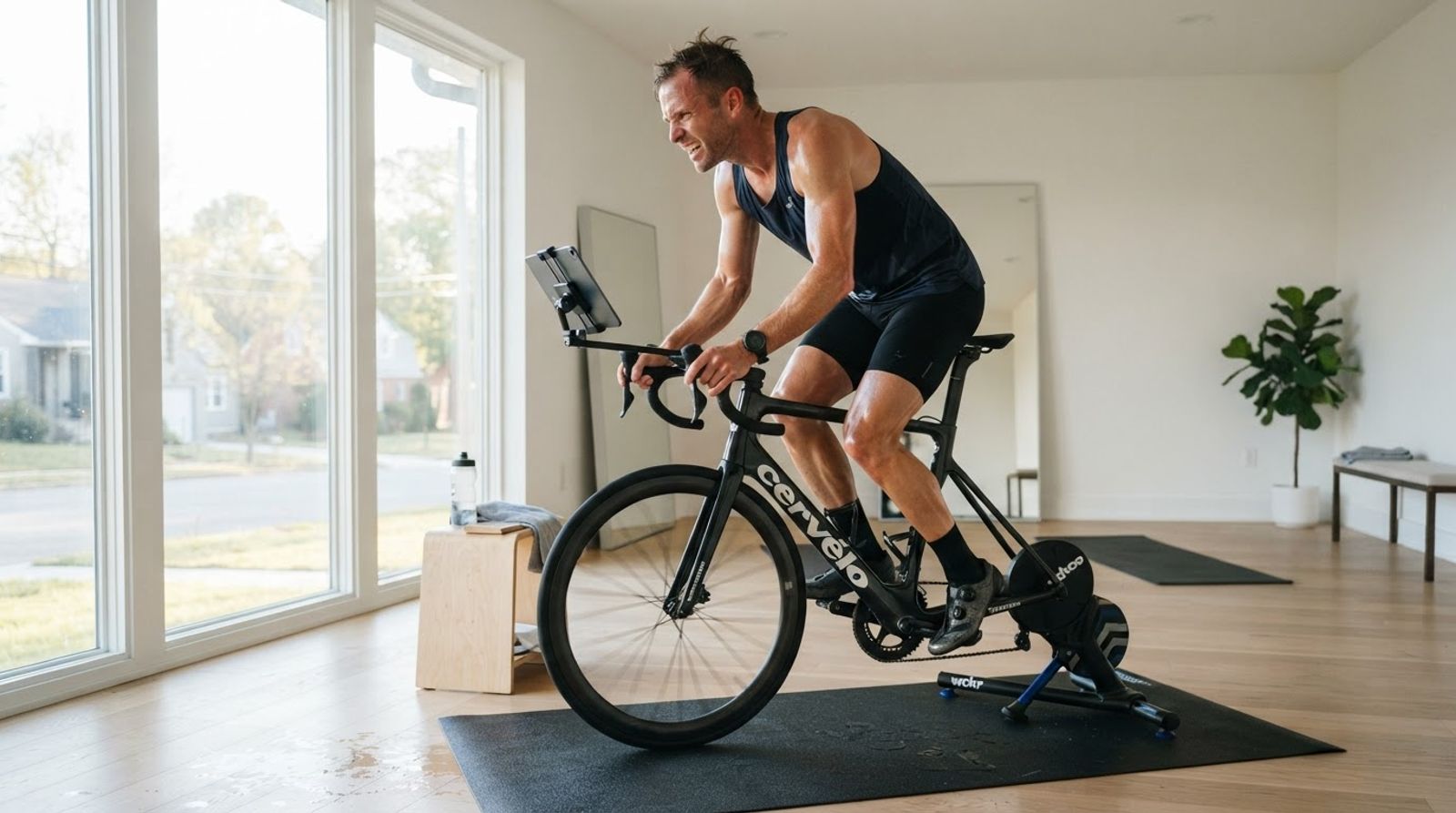
Cross-training is useful for a runner as long as it helps you follow your running plan rather than getting in its way. An easy bike ride can add aerobic work without running impact, while a hard ride can leave your legs tired before intervals. What matters is not the mere fact of switching sports, but the purpose of the session, its intensity, and its place in the week. If after cross-training you regularly have to cut back on a key run, the addition is already competing with the foundation.
What cross-training actually gives a runner
Different disciplines have different potential to transfer to running. The heart and breathing get a stimulus both in the pool and on the bike, but the movements, muscle work, and coordination demands differ. So it's worth naming the effect you need first, and only then choosing the activity. "Add some activity" is too vague a task for a week that already has a long run and a fast run.
- Aerobic volume without running impact. Cycling and swimming let you work longer in an easy mode without repeated landings. This is another way to load the aerobic system, but not free hours: energy and recovery are still needed.
- Specific strength. Some disciplines load muscles and movements that are useful for a running task. Leg work on the bike can complement preparation for climbs, but it doesn't replicate the running stride and doesn't fully replace strength training.
- Maintaining fitness during injury. Sometimes a load other than running is available. Whether you can use it, which one exactly, and in what volume is decided by a doctor. The absence of impact alone doesn't make an activity acceptable for any injury.
- Active recovery. A short, genuinely easy session can help you warm up and switch gears. It doesn't have to speed up recovery and doesn't replace sleep, nutrition, or a day without training.
- Mental relief. Changing the route, environment, and movement helps you get away from monotony. You don't need to turn the pool or a bike ride into another fitness test for that.
A single session shouldn't solve all tasks at once. Recovery swimming and hard work in the water are different workouts, even if your watch recorded them under the same name. The more precise the task, the easier it is to stop on time and not pad the volume for a nice weekly total.
Specificity matters more than total volume
The main principle: cross-training is an addition to running, not a replacement for key sessions. A bike won't teach you to run, and skis won't teach you to descend on rocks. That requires the relevant movements: foot placement, holding a rhythm, working on the right surface, and body control in conditions similar to your target ones.
Additional aerobic work can support overall endurance, but it doesn't reproduce the load on tissues and the coordination of the running stride. So you can't assume that a few hours on the bike automatically compensate for a missed long run. There's no universal exchange rate between running kilometres and minutes of cross-training: intensity, terrain, technique, and the athlete's experience differ too much.
- Foundation first. Key running sessions for the current goal are fixed in the schedule. Key doesn't necessarily mean hard: it can be easy work on the right terrain.
- Then the addition. Cross-training goes where it doesn't cut into sleep, rest, and your ability to do the next run well.
- Check by consequences. If after cross-training your legs regularly keep you from holding your usual easy pace or technique, review its dose and placement.
There are periods when running is temporarily limited and another sport becomes the main available load. This is already a separate task of maintaining fitness, not a usual addition to a running plan. If the limitation is related to an injury, the decision about acceptable activity is made by a doctor.
The 3:1 rule: how to keep running the priority
A practical guideline is one cross-training session for every three running days, and two for four to five running days. This is the 3:1 rule, not a strict mathematical proportion for any schedule. It reminds you that running comes first and sets an approximate scale for the extra work. It's about frequency, not equal hours: one long cycling session can be harder than several short runs.
With three running days, an example order might look like this: key run, rest, easy cross-training, easy run, rest, long run, rest. This isn't a mandatory grid, but a way to see that there's room for recovery between efforts. The specific days depend on your schedule, the content of the key session, and how well you handle the cross-training.
With four to five running days, two cross-training sessions are a possible option, not a requirement to fill a quota. If your calendar is already packed, it's more useful to keep one short easy cross-training session or skip it altogether. Sometimes running and a short extra activity are placed on the same day while keeping a separate rest day, but that decision requires experience and accounting for the total load.
For a beginner in a new discipline, it's wiser to master one short session than to fill both slots right away. Frequency is determined by your running experience, usual volume, sleep, work stress, and how well you tolerate the specific movement. When adding cross-training, don't sharply increase running at the same time: otherwise it will be hard to tell where the fatigue came from.
Zone 2 is the main mode, quality is the exception
Most of the cross-training should be done easy so it doesn't take freshness away from your running. A rough guideline for zone 2 is often 60–75% of maximum heart rate. These aren't universal boundaries: zone systems differ, maximum heart rate may be estimated inaccurately, and one person's response to cycling, swimming, and running isn't the same.
Don't transfer running numbers to another discipline without checking. Besides heart rate, it's useful to consider perceived effort: breathing is controlled, and on the bike you can speak in sentences without noticeable breathlessness. In the pool, the talk test doesn't apply, so even effort and not fighting for pace matter more. Heat, accumulated fatigue, and sensor accuracy also affect the readings.
- An easy session stays easy. Sprinting with a group, hard climbs, and a finishing kick change its purpose, even if the average heart rate looks low.
- Quality no more than once a week. Intervals and other hard segments in cross-training are acceptable as a separate planned effort. Once is the upper guideline, not a mandatory item.
- Not the day before a key run. A quality cross-training session isn't placed before an important running workout. With pronounced residual fatigue, even one intermediate day may not be enough.
If your running already includes enough intense work, extra quality is often simply unnecessary. An easy cross-training session is valuable precisely because it doesn't turn every free slot in your schedule into a hard workout. Its success is measured not by a power or speed record, but by whether your readiness for the main work was preserved.
No two hard days in a row, even in different sports
Switching disciplines doesn't reset fatigue. After a hard run, an intense cycling session is still a second hard day in a row: different movements don't cancel out energy expenditure and muscle load. So the rule applies to the whole week, not separately to running, swimming, and cycling.
How hard a session feels isn't determined by heart rate alone. A long ride at low intensity, unfamiliar hill work, or a technically demanding activity can leave you noticeably tired. Labelling something "zone 2" doesn't make any duration a recovery session. It's especially easy to get this wrong in a new sport, when your breathing feels comfortable but your muscles are already working at the limit of what they're used to.
- Mark hard days in full. Count intervals, long sessions, and strength work, not just sessions with a high average heart rate.
- Keep an easy day or rest. Between hard days you need a gap without comparable load. How long it should be depends on your experience and recovery.
- Don't make up for missed sessions. A missed easy run doesn't need to be squeezed in right next to a key run just to hit the weekly target.
Before adding a session, it helps to ask a simple question: what will it give to your next run workout and what will it take away from it? If the answer comes down to extra fatigue for the sake of total hours, it is better to leave the free slot free.
Technique: 30 clean minutes beat 90 sloppy ones
Good running form doesn't mean you're ready for a big volume in another sport. On the bike, position and handling matter; in swimming, body position and coordination of movement; on skis, balance and speed control. Repeated technical errors can become a source of overload and injury, and on a challenging route there's also the risk of a fall.
Better 30 clean minutes than 90 sloppy ones. These numbers illustrate the priority of technique, not a minimum and maximum duration. A beginner may do fine with a shorter session; an experienced athlete can maintain quality movement for longer. The benchmark isn't enduring until the watch beeps, but being able to do the task without growing technical errors.
Learning a new discipline is best started with basic skills and suitable conditions, with an instructor if needed. It makes sense to increase duration once the movement has become stable. If your technique falls apart from fatigue, it's more useful to end the session than to reinforce random compensations. Pain shouldn't be explained away as mere unfamiliarity: whether it's an injury and whether you can keep training is a question for a doctor.
In the end, a good easy run can be summed up in one phrase: a clear task, a manageable dose, clean technique, and room left for running. The 3:1 rule helps keep the proportion, zone 2 helps control intensity, and avoiding two hard days in a row keeps you from confusing variety with recovery.
In 1trAIner, the AI coach builds your plan as a cascade Season → Month → Week → Day. Data from Garmin and Apple Watch watches syncs automatically, and the week is recalculated after every workout. First 7 days free.
This material is for information only and does not replace a doctor's consultation.